English
English

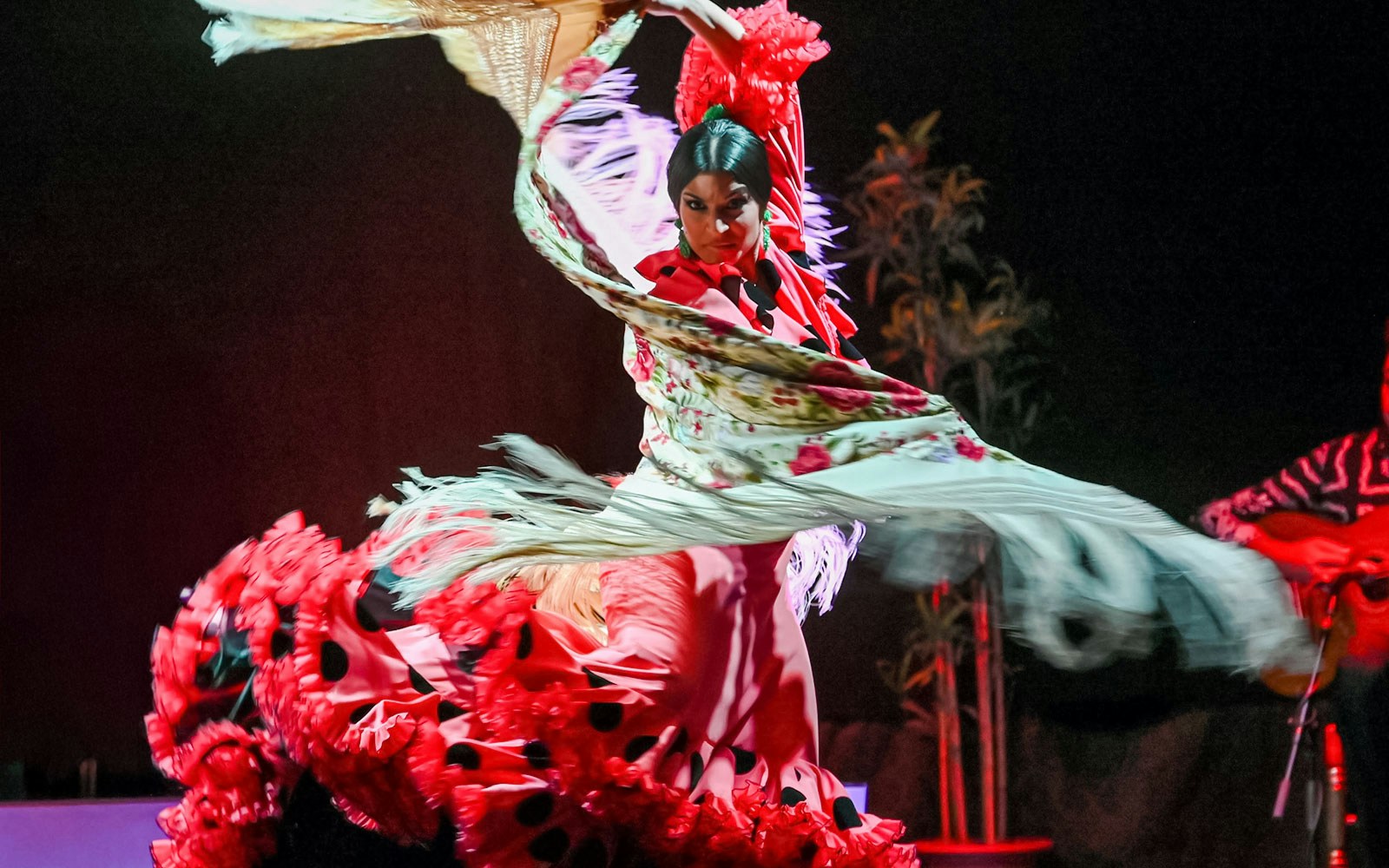
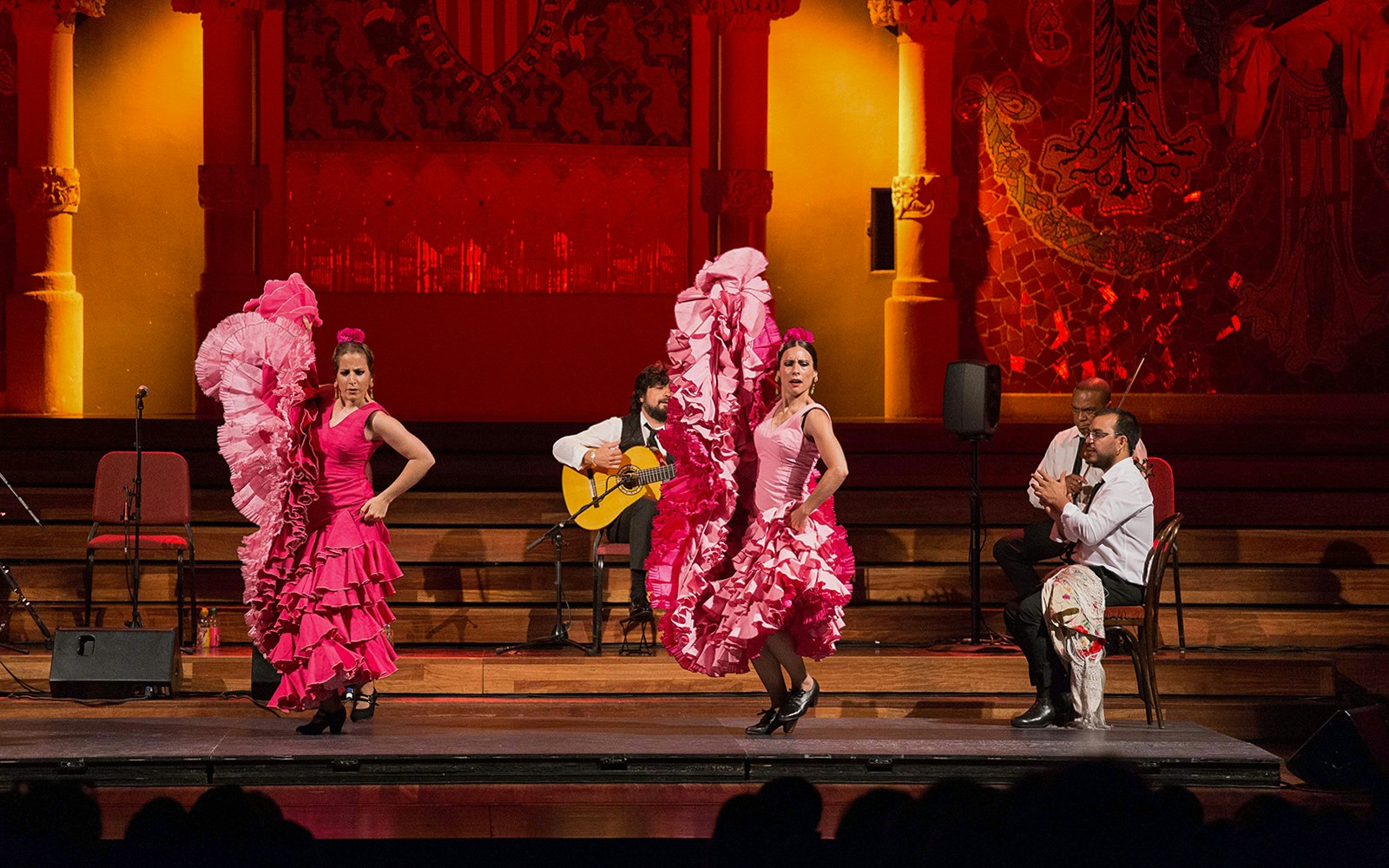


Flamenco isn’t only dance — it’s shaped by Andalusian, Romani and Moorish roots, where emotion is as important as movement. A little cultural context makes your first step feel meaningful, not just performative.
If you’re visiting Barcelona and want a more immersive experience without committing to long-term training, several tablaos offer short masterclasses right before their evening performances. It’s a practical way to learn the basics, feel the rhythm firsthand, and then watch professionals take the stage immediately after.
A convenient option for travelers, you can take a short guided flamenco masterclass right before the evening performance. It’s designed for first-timers, no dance experience required.
A more intimate format inside a historic palace, this is a private-style masterclass experience led by professional performers, ideal for curious groups or families who want something personal.
A quick intro to the basic rhythm and movement of flamenco before enjoying a live show at one of Barcelona’s oldest tablao venues.
A straightforward, tourist-friendly class taught by a professional dancer — perfect if you want to learn the basics right before attending the evening show in the same venue.
No, most tourist-oriented classes start from absolute zero and build confidence step by step, focusing first on rhythm.
Yes! All tourist-friendly experiences offer English instruction or bilingual teachers comfortable with international travellers.
Comfortable clothing you can move in. Trainers or dance shoes are fine — you don’t need traditional flamenco attire unless you take advanced lessons.
Tourist workshops are usually 30–60 minutes. Professional academies offer 1–1.5 hour sessions or package-based programs.
Yes, many studios accept children, especially in private or small-group formats. Always worth checking in advance.
It is better before. Understanding the rhythm and movement helps you appreciate the performance more deeply.
Absolutely! Most traditional tablaos and academies will arrange private sessions upon request.
No, but if you take more than one class, shoes with a hard sole (no rubber) help with footwork sounds.
Yes! Barcelona hosts world-class artists and serious academies. It’s one of the strongest flamenco cities outside Andalusia.