English
English

Madrid’s flamenco story begins in the mid‑1800s, when Andalusian migrants brought cante jondo, early guitar styles, and social dances into the capital’s taverns. Artists like Silverio Franconetti helped elevate the art form as Madrid quickly became a second home for flamenco.
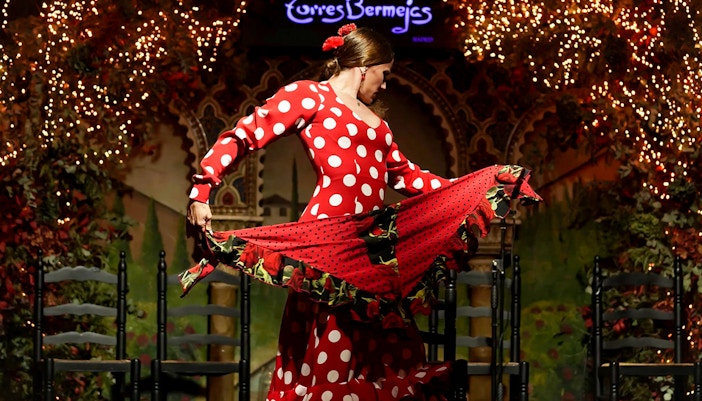
By the late 19th century, cafés cantantes such as Café de Chinitas and El Imparcial drew packed crowds and presented stars like La Niña de los Peines and Antonio Chacón. These venues professionalised flamenco and laid the foundation for the tablaos that emerged in the mid‑20th century.
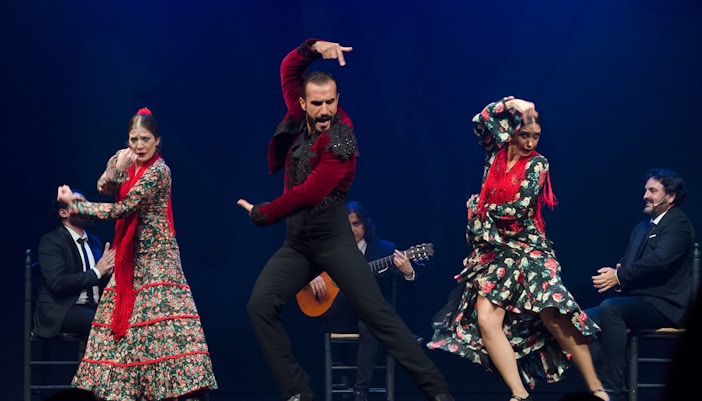
Through the 20th century, Madrid became a creative magnet. Schools like Amor de Dios trained generations of dancers, while iconic performers, including Lola Flores, Antonio Gades, and Paco de Lucía, chose the city as their artistic base, fuelling new styles and collaborations.
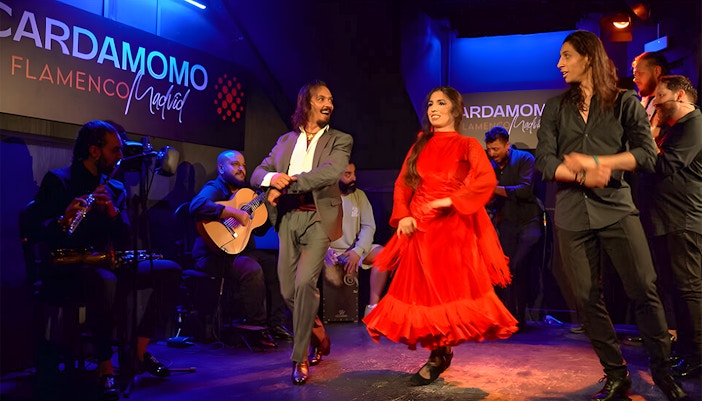
Today, Madrid balances pure, intimate flamenco with bold contemporary staging. Historic tablaos preserve the essence of the art, while modern companies and festivals experiment with fusion, storytelling and theatricality, keeping Madrid at the forefront of flamenco innovation.
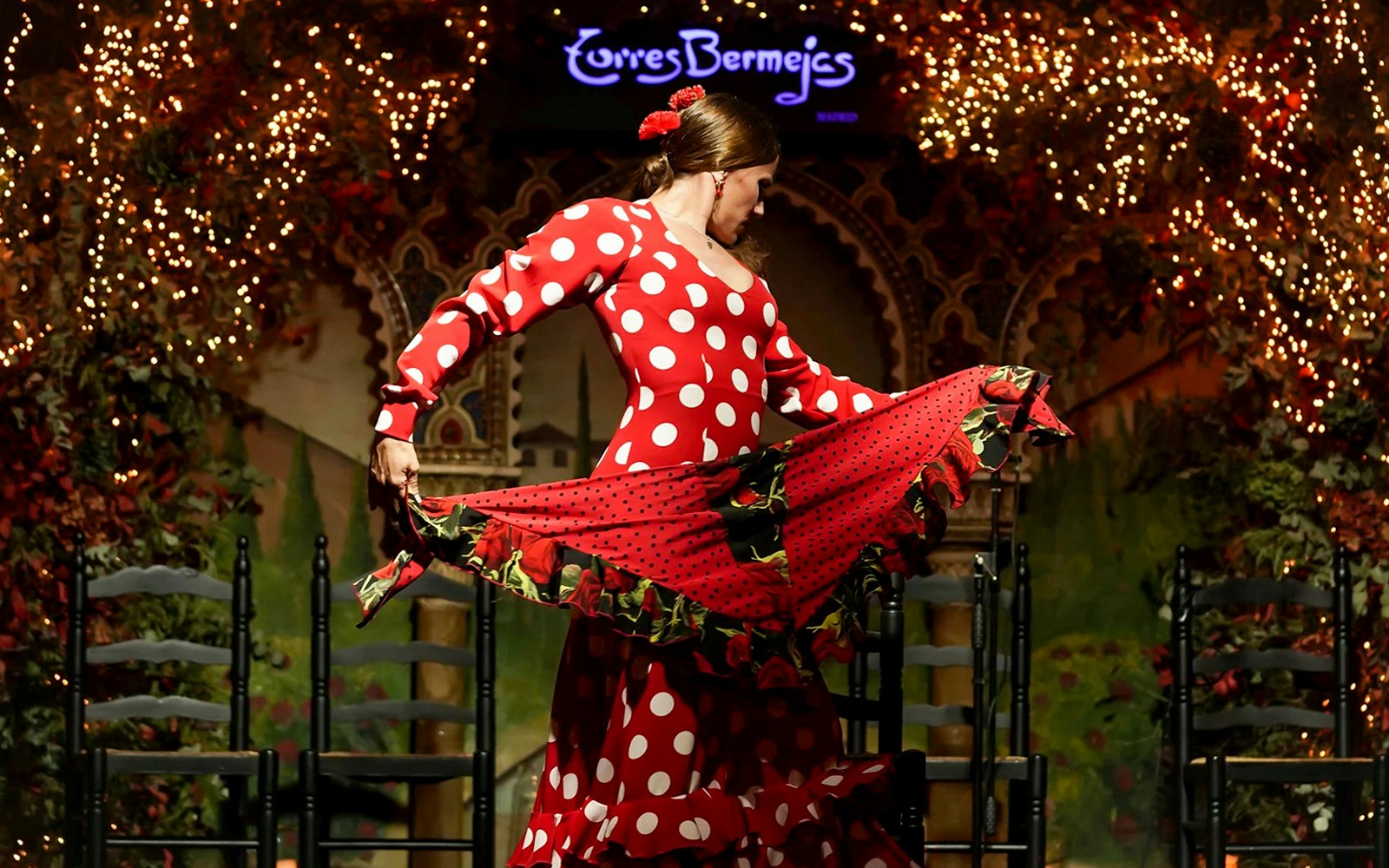
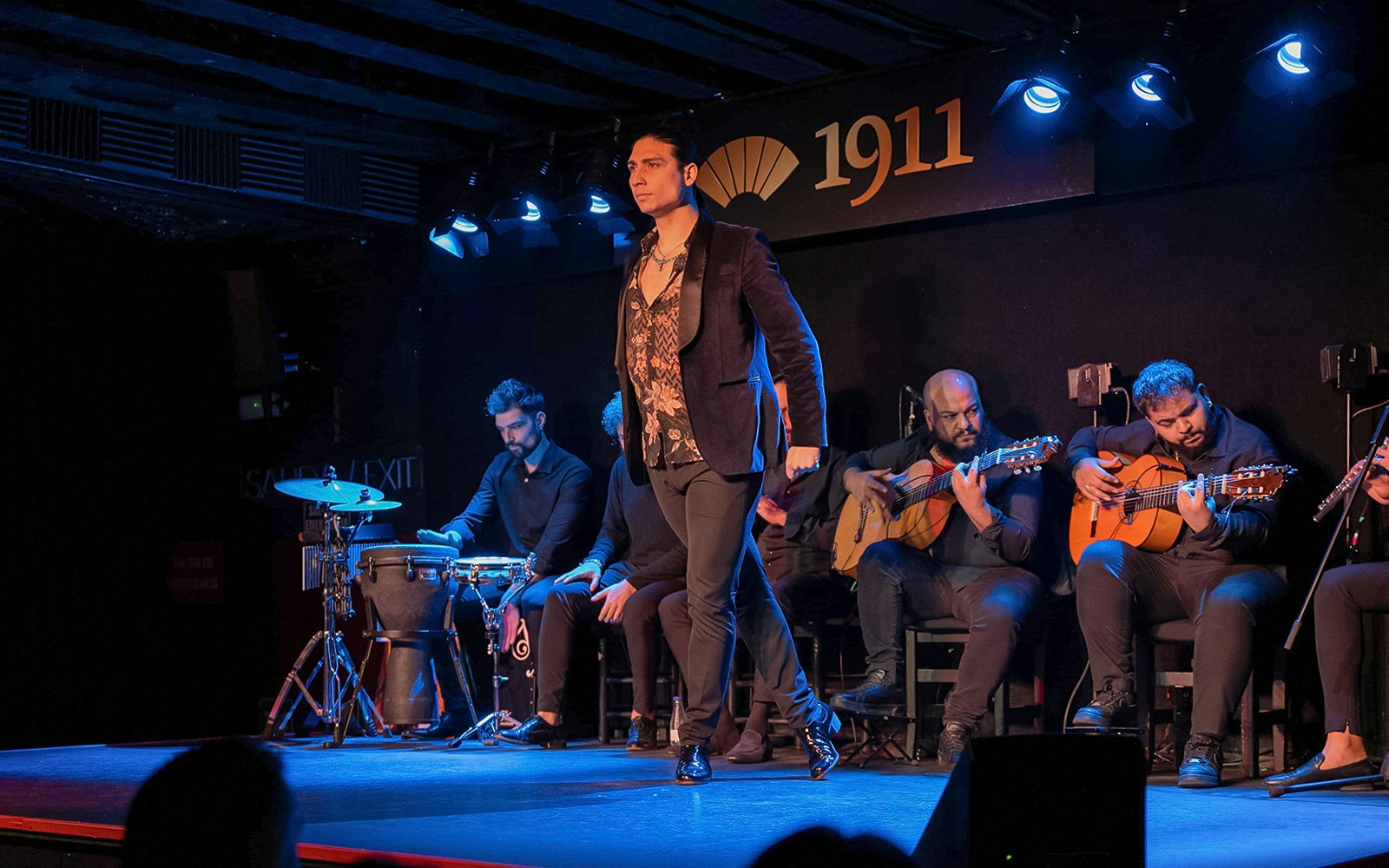
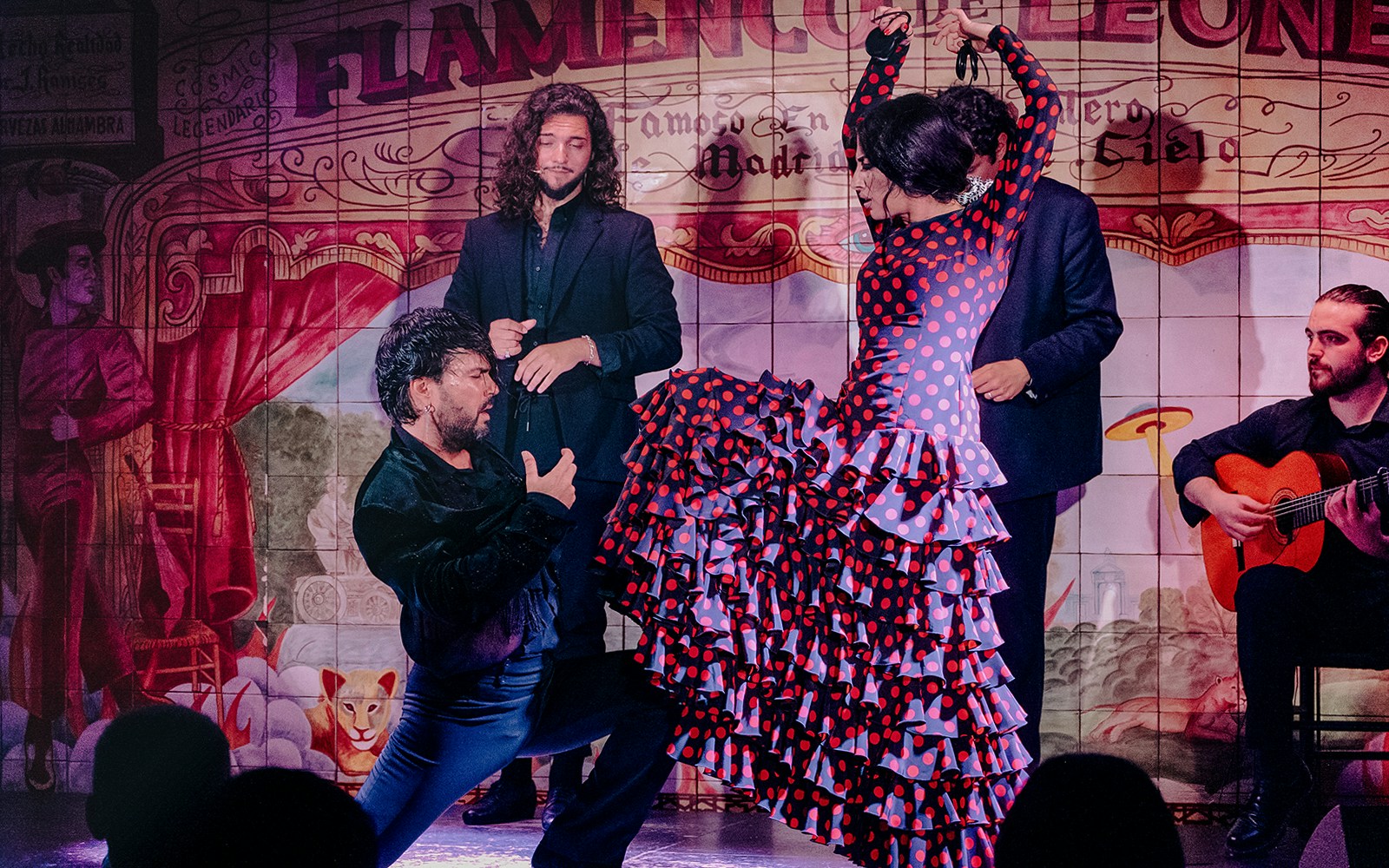
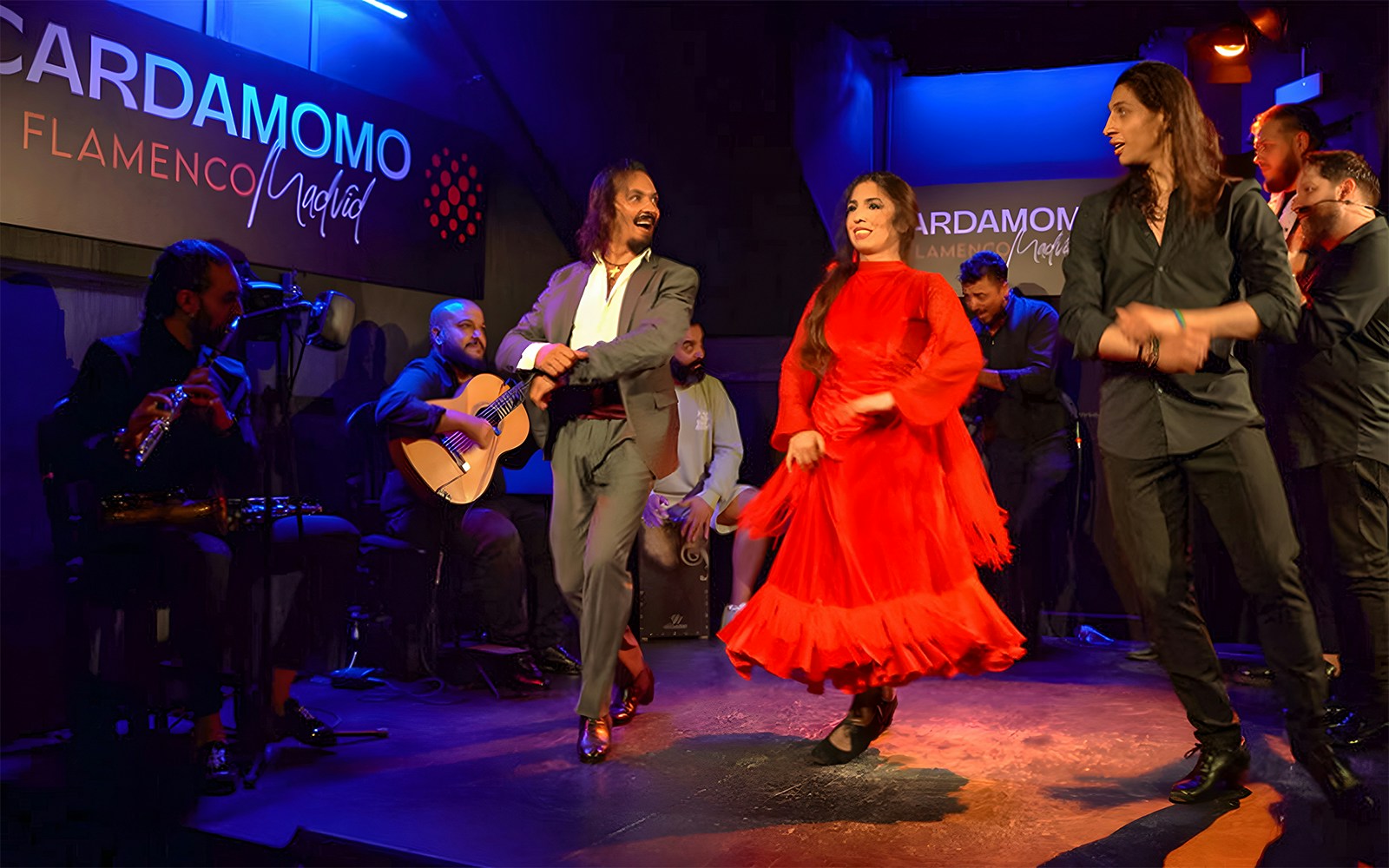
Opened in 1960, Torres Bermejas is famed for its Alhambra‑inspired interiors—carved ceilings, intricate mosaics and geometric designs. Legends like Camarón de la Isla and Paco de Lucía performed here, solidifying its status as a historic flamenco landmark.

Flamenco in Madrid today feels electric, deeply rooted in centuries-old tradition yet constantly pulsing with fresh invention. Iconic tablaos like Torres Bermejas, Tablao 1911, and Cardamomo set the tone with their intimate stages, where guitar, song and dance collide in raw, unforgettable moments. Around them, a lively ecosystem of festivals, dance studios and cultural centres keeps creativity flowing and the city’s flamenco pulse beating day and night.
What sets Madrid apart is how effortlessly it blends legacy with reinvention. Artists experiment boldly while honouring the soul of the art form, creating performances that feel both timeless and fiercely contemporary.
Madrid became a hub in the mid‑1800s when Andalusian performers brought their music and dance to the capital, shaping a new urban flamenco identity.
While Andalusia preserved rural roots, Madrid developed a theatrical, cosmopolitan style shaped by cafés cantantes, tablaos and artistic migration.
Iconic venues like Café de Chinitas, Torres Bermejas and Tablao 1911 helped formalise performance structures and launch celebrated artists.
Legends like Antonio Chacón, La Niña de los Peines, Lola Flores, Paco de Lucía and Antonio Gades shaped Madrid’s artistic landscape.
Its location as Spain’s capital attracted artists, promoters and audiences, allowing tablaos to flourish as nightly cultural institutions.
These 19th‑century venues professionalised flamenco, offering structured shows, fixed stages and paid gigs for singers, dancers and guitarists.
Schools like Amor de Dios trained generations of performers and became creative hubs for new styles and collaborations.
The city fosters experimentation through festivals, contemporary companies and cross‑disciplinary projects blending theatre, dance and music.
Tablao 1911, Torres Bermejas and Cardamomo remain pillars of Madrid’s flamenco tradition, each with its own artistic legacy.
It blends Andalusian authenticity with Madrid’s theatrical flair, producing performances that feel both intimate and show‑driven.
Artists like Paco de Lucía and Sabicas performed and collaborated in Madrid, pushing technical and musical boundaries.
Madrid’s nightlife, immigration patterns and artistic demand made it fertile ground for flamenco’s growth.
Rising tourism helped sustain tablaos, providing steady audiences and supporting both traditional and innovative performances.
Yes—events like Suma Flamenca highlight legendary and emerging artists, reinforcing Madrid’s status as a global flamenco centre.
Through heritage protection, artist support, historic venue restoration and ongoing community‑led cultural initiatives.