Contents

Flamenco bars in Madrid: authentic venues for spontaneous flamenco

Madrid’s flamenco scene isn’t all about grand tablaos; tucked into its winding streets, you’ll find bars where duende breathes just as strongly. These are places where aficionados, students, and seasoned artists mingle. Here, the passion of flamenco feels organic, more spontaneous than staged, more raw than polished. If you’re looking for something less touristy and more soulful, these bars are where real flamenco lives.

What sets flamenco bars apart in Madrid

Spontaneity over structure

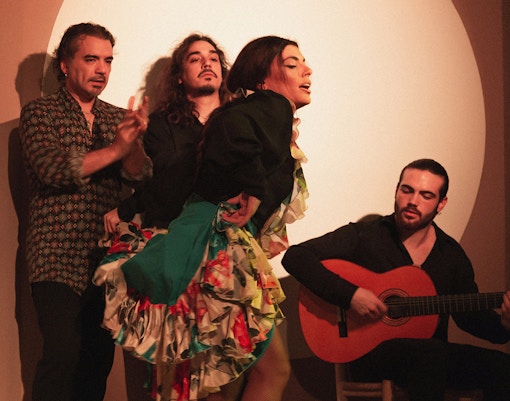
Flamenco bars thrive on impromptu performances. There’s no rigid schedule; singers, guitarists, or dancers may come in, sit with a drink, and start playing. This unpredictability means you never quite know when someone might break into a spontaneous bulería or toná.

Community and peña spirit

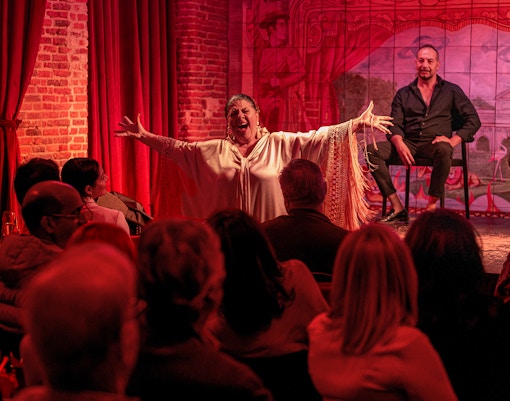
Many of these bars are deeply rooted in the flamenco community. They act like peñas, meeting spots for aficionados, students, and seasoned performers to gather, talk, and perform. The vibe feels like home, not a commercial show.
Historic intimacy

These places often have a castizo, or old Madrid, feel, with zinc bars, worn wooden stools, bullfighting posters, and old photos of flamenco legends. The architecture and décor transport you back in time, giving each clap or golpe a sense of legacy.
Cultural crossovers

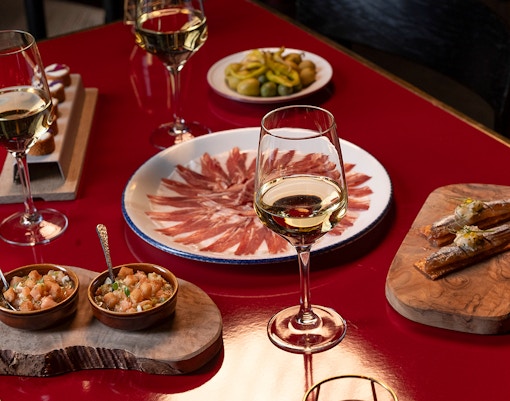
Flamenco bars blend traditional flamenco with other local flavors, including tapas, sherry, and even Galician cuisine at some establishments. It’s not just about the music; it’s about a full sensory experience where food, drink, and art converge.

 Top flamenco bars in Madrid

Taberna Sanlúcar

Taberna Sanlúcar is a cozy Andalusian-style tavern tucked into La Latina. It channels the spirit of Sanlúcar de Barrameda, complete with bullfighting posters, classic tapas, and warm, nostalgic décor. The place itself doesn’t have a formal stage, but flamenco is part of its DNA; the setup encourages lingering, sipping sherry, and chatting.

  • Artists who have performed: There’s no rigid performing roster; instead, local flamenco lovers and musicians drop in and perform organically.
  • Best time to visit: Evenings or weekends bring the warmest atmosphere. If you go on a weekend night, there’s a better chance for spontaneous music

O’Pulpo

Galician charm meets cante jondo at O’Pulpo. Upstairs, there’s a flamenco school that spills into the bar. The result is musicians, dancers, students, and aficionados gathering before and after lessons. It feels like the living room of a flamenco academy.

  • Artists who have performed: Because of the school, the bar sees a wide spectrum of talent, students, up-and-coming singers, and guitarists.
  • Best time to visit: Late afternoons or early evenings are ideal, especially when classes finish. That’s when the bar is most alive with chatter, clapping, and possibly impromptu performances.

El Callejón de Madrid

El Callejón de Madrid feels like stepping into a flamenco shrine. Photos of legendary cantaors and guitarists line the walls. The vibe is intimate and deeply rooted in flamenco history. It is run by flamenco aficionados which keeps the authenticity strong.

  • Artists who have performed: Renowned artists have been spotted here, including guitarist Niño Jero, singer Juan Villar, and more.
  • Best time to visit: The bar comes alive after dark, and that’s when the flamenco energy is strongest. Midnight visits offer the highest chance of spontaneous performances.

Bodegas Alfaro

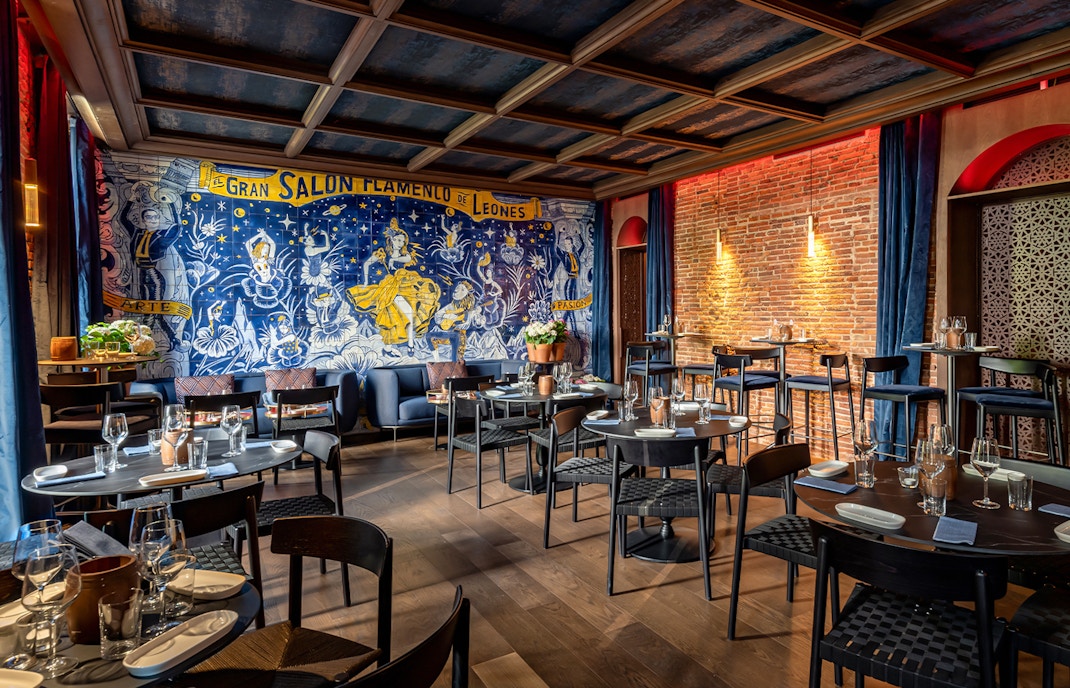
Bodegas Alfaro is more tavern than bar, but its legacy is unmistakably flamenco. Founded in 1929 in Lavapiés, it is a warm timeworn space with zinc counters and walls filled with black and white photos of historic flamenco figures. The owner is a passionate flamenco lover, and the place feels like a living archive of Madrid’s flamenco soul.
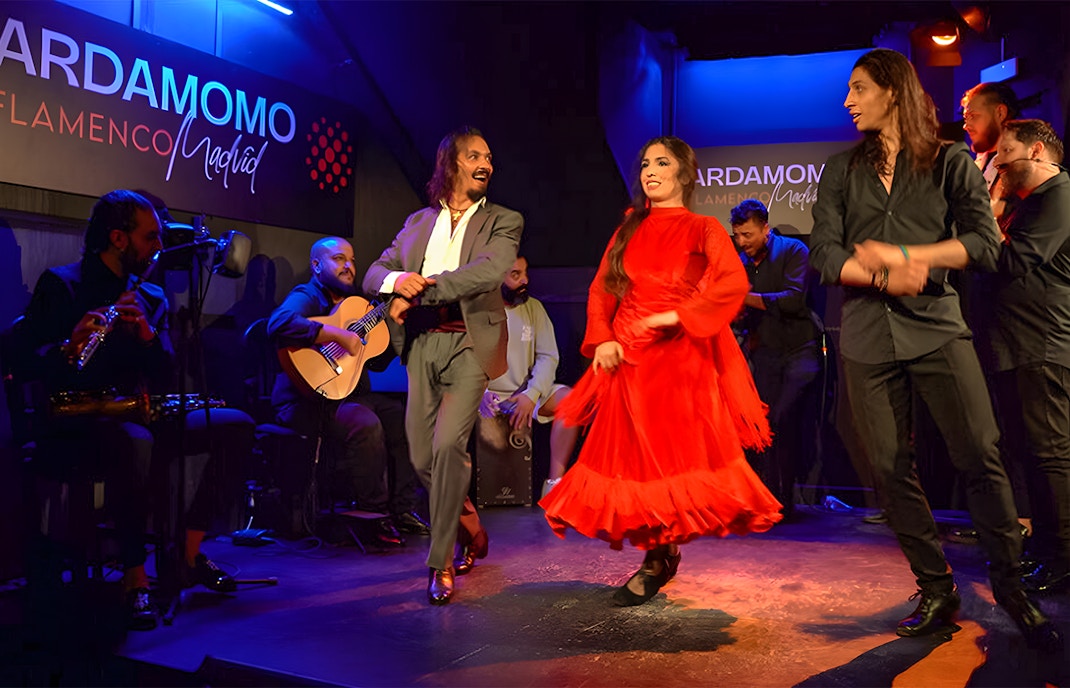
  • Artists who have performed: Over the decades, some of flamenco’s big names have performed here, including singers El Torta, El Agujetas, and El Capullo.
  • Best time to visit: Evenings are ideal, especially late, when the tavern quiets down and regulars appear.

The difference between flamenco bars and tablaos in Madrid

Bars

  • Community driven: These are often run by devoted flamenco aficionados or small family businesses, creating a sense of intimacy and connection with the local culture.
  • Spontaneous performances: Music unfolds organically without a fixed schedule, with singers, dancers, and guitarists often performing on a whim, giving every visit a unique experience.
  • Intimate and homey: The décor, furniture, and layout contribute to a cozy, neighborhood feel, inviting visitors to linger and absorb the atmosphere.
  • Low cost: Entry is usually free, and visitors pay only for drinks and tapas, making the experience accessible and casual.

Tablaos

  • Professional shows: Performances feature a full lineup of professional dancers, singers, and guitarists, offering a polished presentation of flamenco art.
  • Structured performances: Shows are scheduled and ticketed, providing a curated and predictable experience for audiences.
  • Theatrical space: The venue includes stages, lighting, and seating designed to enhance viewing and acoustics, emphasizing spectacle.
  • Ticket options: Tickets come with various options, often including food and drinks. Guests can choose upgrades based on their preferences.

Frequently asked questions about flamenco bars

Do I need to buy tickets for flamenco bars?

No, most flamenco bars don’t charge for performances. You typically pay only for your food and drinks.

Are performances scheduled in these bars?

Performances are rarely scheduled. They are often spontaneous or happen around lessons in places with schools or late at night in artist friendly venues.

Is it safe to visit these bars alone at night?

Yes, these are well known neighborhood establishments. Standard safety advice applies, but they are generally safe and welcoming.

Will I understand flamenco if I don’t speak Spanish?

Absolutely. Flamenco communicates through music, emotion, claps, and footwork. Understanding the lyrics is not necessary to enjoy the art.

Can I bring a big group to a flamenco bar?

It depends on the bar. Smaller bars can feel crowded quickly, so small groups work best.

When is the best time of year to experience flamenco in bars?

Flamenco bars operate year round. Spring and autumn evenings often feel especially lively and atmospheric.

Do these bars serve food?

Yes. Many bars serve tapas, traditional dishes, and drinks, creating a full experience.

Can tourists go to these bars?

Tourists are welcome. The vibe may feel local, but visitors are received warmly and readily.

Is there a dress code?

No formal dress code. These are casual bars. Comfort matters more than style here.

How can I increase my chances of catching a performance?

Late nights or visiting around class times in bars with schools offer better chances of seeing spontaneous music.