English
English

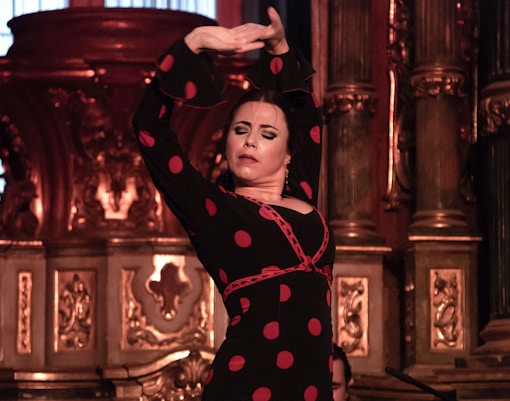
El Arenal sits inside a seventeenth-century Andalusian house that preserves traditional proportions ideal for intimate flamenco. Its warm acoustics, wooden stage and low ceiling height create a powerful setting where cante and footwork feel close and expressive.
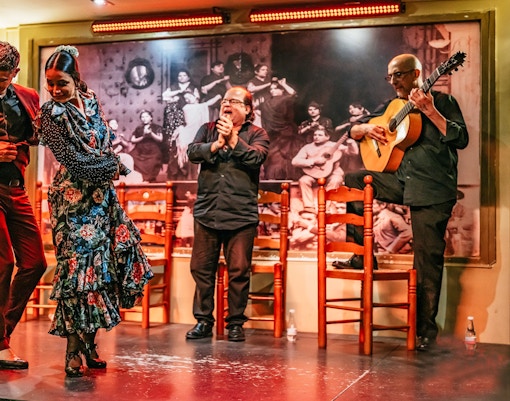
La Cantaora is inspired by nineteenth century café cantante spaces where flamenco gained its early identity. The venue uses traditional materials and a room designed for intensity, allowing performers to express emotion through sound and movement in a concentrated setting.
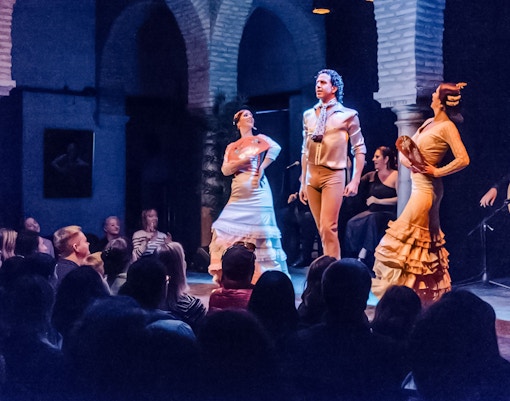
This tablao sits inside an eighteenth-century palace house built over ancient stonework. Its courtyard stage and vaulted cellar create two distinct acoustic environments, giving audiences a rare look at how flamenco interacts with architecture shaped across centuries.
Located in the heart of Triana, this venue reflects the area’s pottery workshops and artisan houses. The interior keeps the traditional proportions of local cultural spaces, creating an environment where rhythm, voice and guitar feel grounded in community identity.
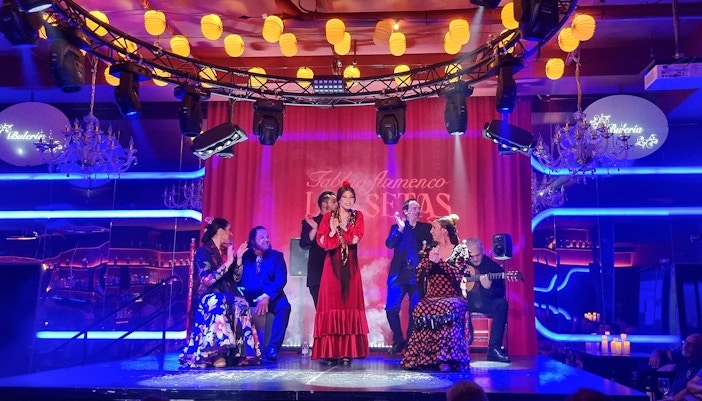
Located inside the Metropol Parasol, Las Setas brings flamenco into one of Seville’s most iconic modern structures. The venue blends clean architectural lines with warm lighting, creating a focused space where performers stand out in a striking contemporary environment.
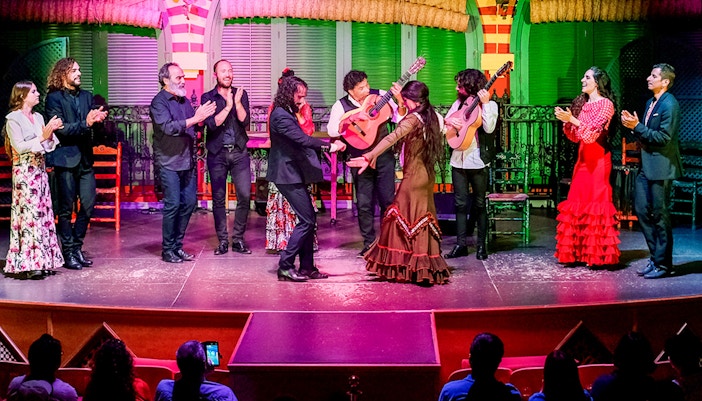
El Palacio Andaluz is a purpose built flamenco venue designed for larger productions. Its wide stage, elevated seating and professional lighting create a theatrical setting that differs from intimate tablaos, allowing for group choreographies and visually rich performances.
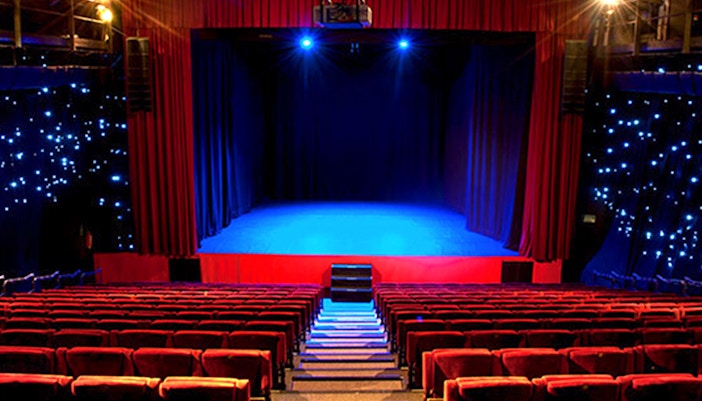
Teatro Flamenco Sevilla blends theatre comfort with the intimacy of a tablao flamenco. The venue uses warm tones, clean stage lines and thoughtful acoustic design to bring emotional clarity to each performance while offering a calm, contemporary atmosphere.
Many tablaos in Seville use traditional Andalusian courtyards where open air space and surrounding walls create warm acoustic resonance. This design highlights guitar textures and subtle footwork while offering a calm, atmospheric setting that reflects historic seville flamenco bar traditions.
Some venues feature underground vaults built with stone or brick. These curved ceilings and compact dimensions amplify cante and footwork with remarkable clarity, creating an immersive sound environment that feels deeply connected to the architectural history of the city.
Tablao flamenco stages often use layered wooden platforms designed to project percussive rhythms. The structure enhances the articulation of heelwork and allows dancers to communicate emotion through sound, forming a central element of flamenco venue design in Seville.
Modern venues sometimes adopt theatre configurations with elevated seating and a wide stage. This layout supports group choreographies, elaborate lighting and expanded musical arrangements, offering a different perspective on flamenco while maintaining strong visibility across the performance space.
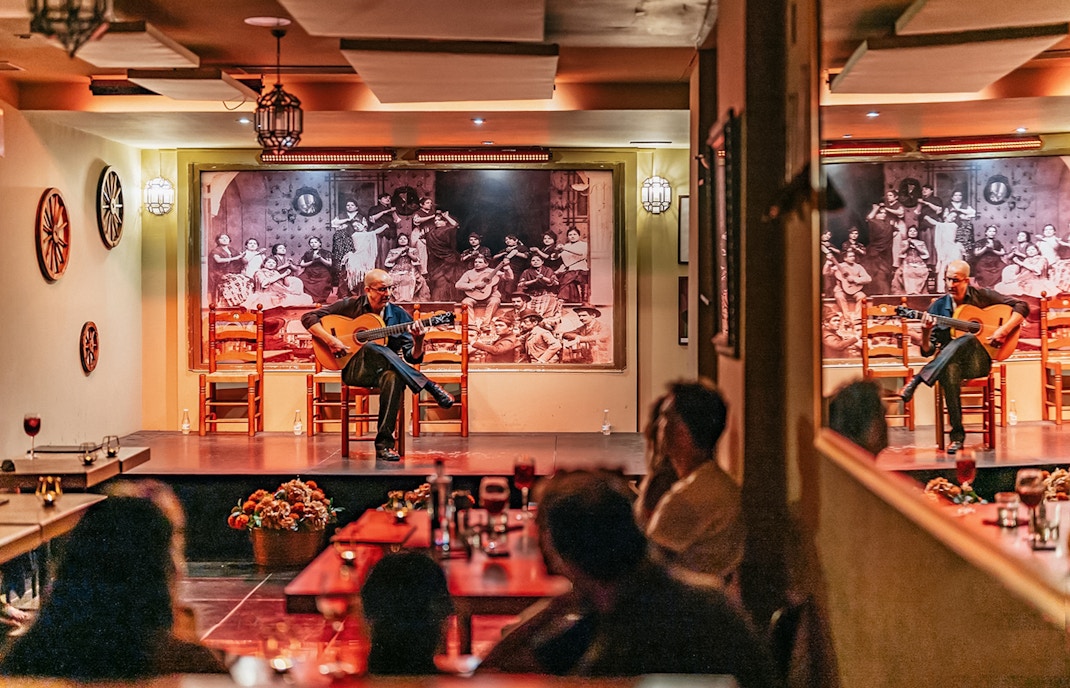
Many traditional tablaos are located inside older Andalusian buildings with narrow corridors or stepped entrances. These architectural features may limit accessibility, so checking each venue’s guidelines helps visitors understand entry, seating and movement before attending a performance.
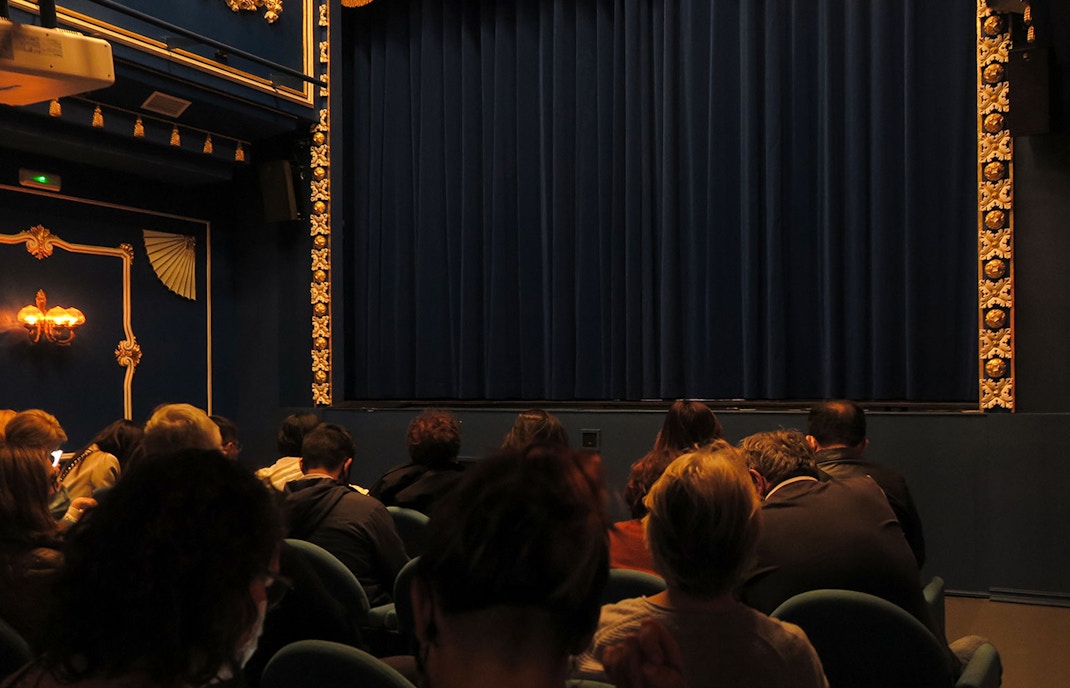
Contemporary spaces such as Las Setas and El Palacio Andaluz are designed with accessibility in mind. These venues often provide step-free entry, adapted restrooms, and seating that supports wheelchair users, offering a smoother and more comfortable flamenco experience.
Many venues are inside historic houses, courtyards or vaulted cellars that create warm acoustics and intimate viewing. Modern spaces offer clearer sightlines and more structured layouts.
Most traditional venues are compact to keep performers close to the audience, but some modern venues offer larger theatre settings for group choreographies and bigger productions.
Yes. Stone walls, wooden floors and low ceilings often enhance the sound of cante, guitar and footwork without heavy amplification.
Modern venues focus on comfort, accessibility and lighting design, while historic venues prioritise intimacy and classic atmosphere.
Yes. They focus on clarity, visibility and comfort while keeping the emotional core of tablao flamenco intact.
Absolutely. Room size, materials, ceiling height and seating layout all influence energy, sound and emotional connection.
Choose a traditional venue for intimacy and atmosphere, or a modern venue for comfort, visibility and accessibility.