English
English

Few cities have shaped flamenco as profoundly as Seville. From its early mix of cultures to its iconic tablaos and world renowned artists, Seville nurtured the rhythms, stories, and emotions that define flamenco today. The city continues to evolve the art form through research, restoration, festivals, and new creative voices, making it a living tradition rather than a museum piece.

Flamenco in Seville grew from the everyday lives of working communities in neighbourhoods such as Triana, La Macarena, and La Alameda. These areas were home to families who passed down songs, rhythms, and dance styles through tradition, often during private celebrations and gatherings. This blend of local customs, Romani heritage, and Andalusian musical forms gave Seville a distinctive emotional style that still shapes flamenco performance today.

In the 19th century, Seville became one of the first cities where flamenco stepped into public life. The arrival of early performance cafés encouraged singers and dancers to refine their technique and develop powerful stage presence. As flamenco grew in popularity, Seville produced influential figures who helped define the art’s expressive character, setting standards that still guide performers in the city’s tablaos.

In recent decades, Seville has invested significantly in preserving and expanding its flamenco heritage. Archivists and cultural centres have restored forgotten styles, while dancers and musicians have reinterpreted classic forms for contemporary audiences. Large events such as the Bienal de Flamenco have helped spotlight experimental work, new productions, and emerging talent.


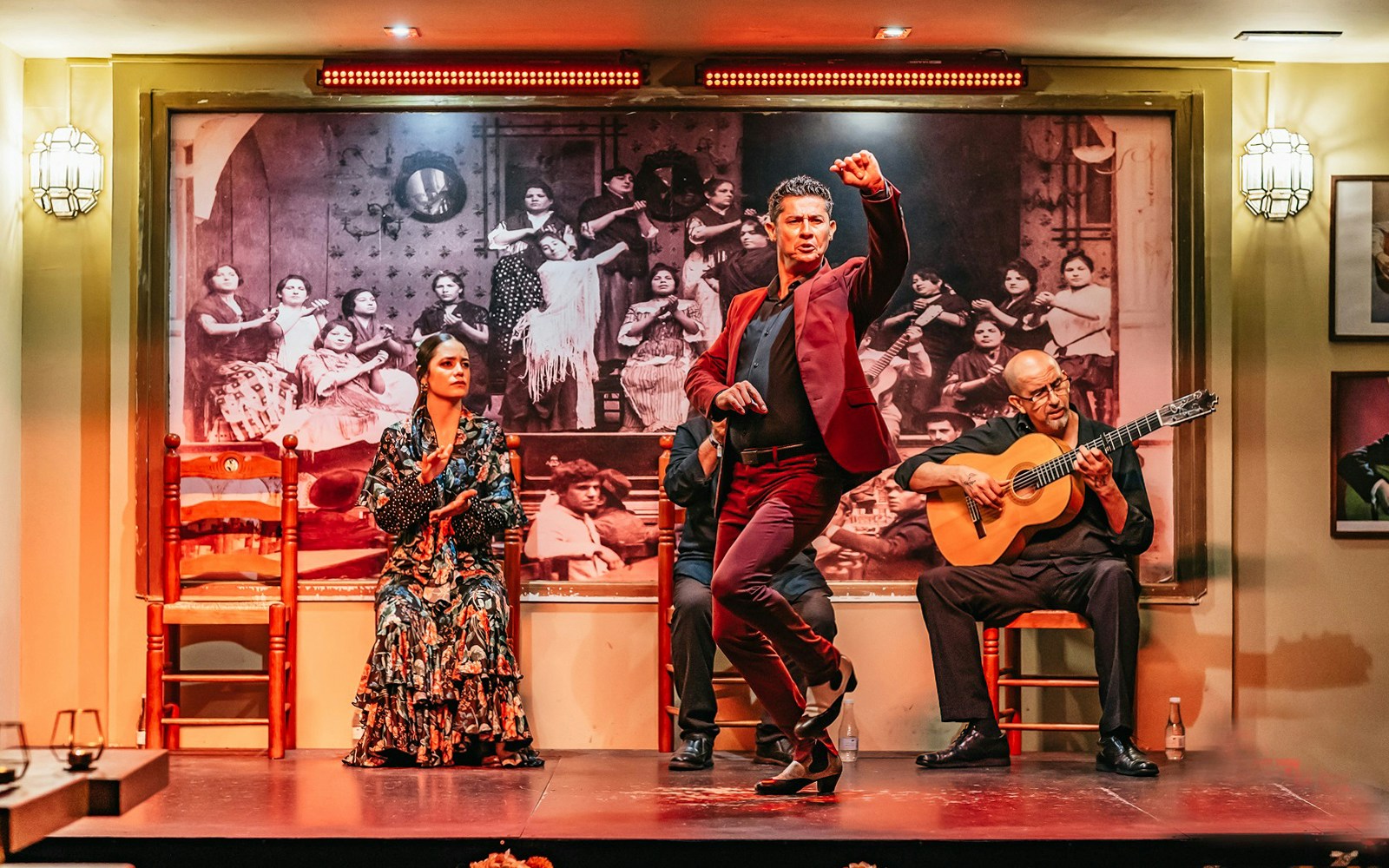

Opened in 1960, Torres Bermejas is famed for its Alhambra‑inspired interiors—carved ceilings, intricate mosaics and geometric designs. Legends like Camarón de la Isla and Paco de Lucía performed here, solidifying its status as a historic flamenco landmark.
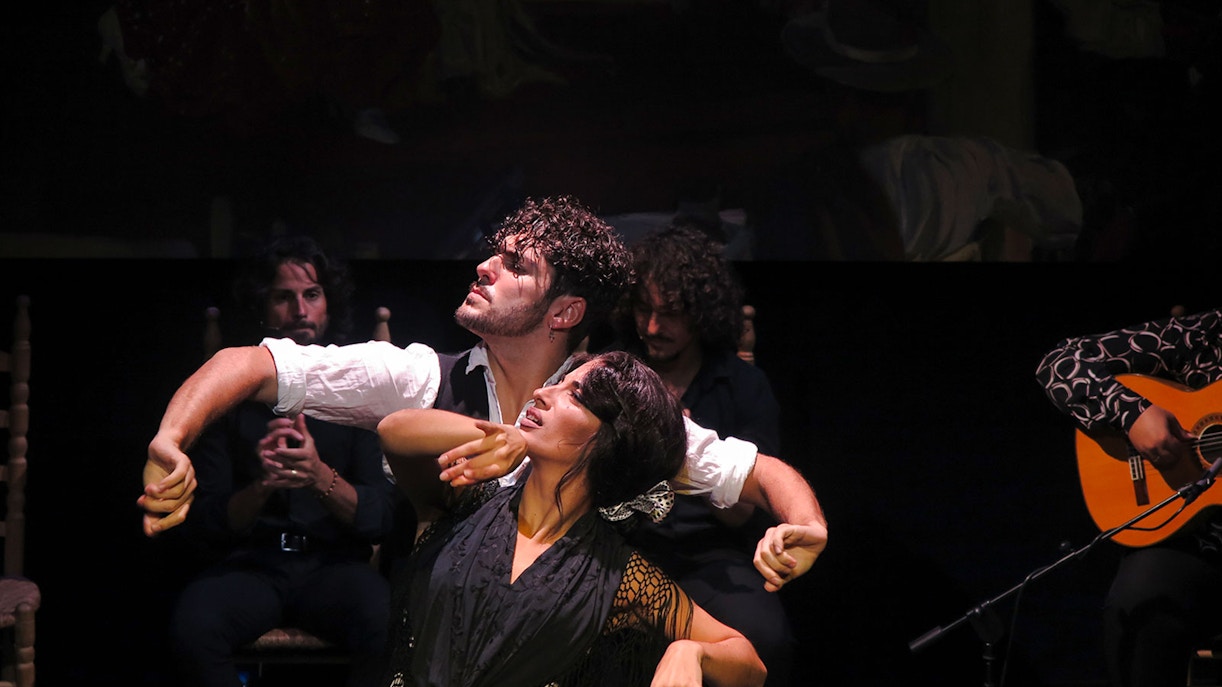
Flamenco in Seville today feels alive in a way that connects past and present with remarkable ease. Centuries of tradition still shape the city, yet every night brings fresh energy to tablaos such as Las Setas, Triana Theatre, La Cantaora and more. Their stages showcase expressive cante, intricate guitar work and powerful dance that come together with a level of intimacy and authenticity that is hard to find anywhere else.
Across the city, academies, cultural centres and festivals nurture constant creativity, while neighbourhood scenes in places like Triana and La Alameda continue to influence performers. What defines Seville now is how naturally it blends deep roots with modern expression, allowing artists to honour the soul of flamenco while exploring new rhythms and ideas that keep the art form vibrant and contemporary.
Triana, La Alameda and La Macarena are among the most influential. These areas still host studios, small performance spaces and traditions that reflect Seville’s historic role in the development of flamenco.
Yes. The museum offers exhibitions, archives, costumes and multimedia displays that explain how flamenco evolved in Seville. It gives valuable context even before you attend a live show.
Popular shows fill quickly, especially on weekends and during festival seasons. Booking a few days ahead is usually enough, though high demand months may require booking earlier.
You’ll find both. Venues like La Cantaora focus on purist styles, while Las Setas and El Palacio Andaluz offer more contemporary staging. Many tablaos blend tradition with subtle modern touches.
Absolutely. Seville offers workshops, dance classes, museum visits and guided neighbourhood experiences that explore flamenco’s roots and evolution.
Yes. Many venues welcome families, and children often enjoy the energy and expressive rhythm of the performances. Some tablaos also offer earlier showtimes.
The Bienal de Flamenco is the most prominent, taking place every two years, but the city hosts smaller seasonal events and cultural programmes that highlight flamenco throughout the year.
Seville balances deep rooted tradition with active innovation. Its combination of historic neighbourhood styles, major festivals, world class venues and training institutions makes its flamenco scene uniquely diverse and influential.