English
English

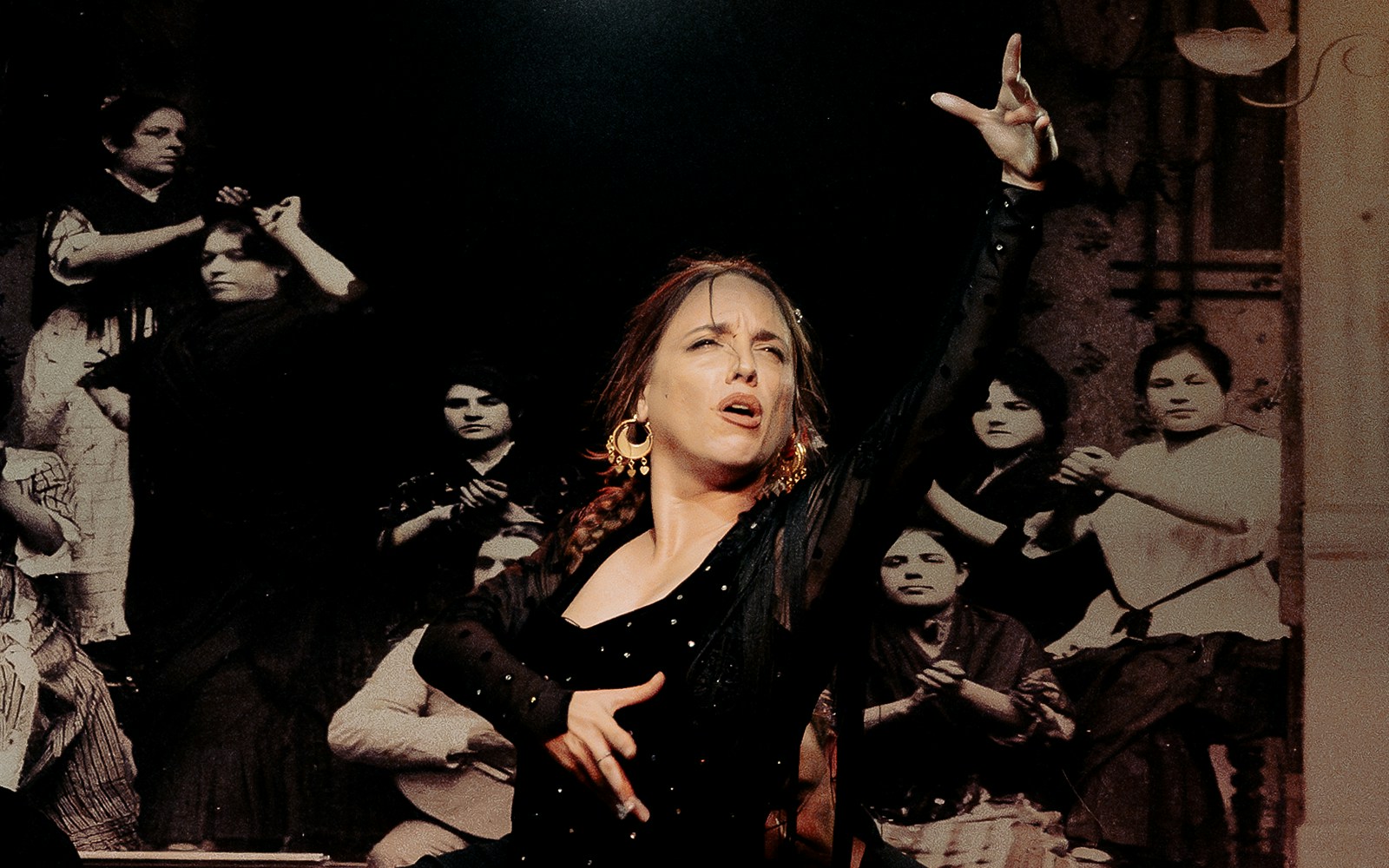
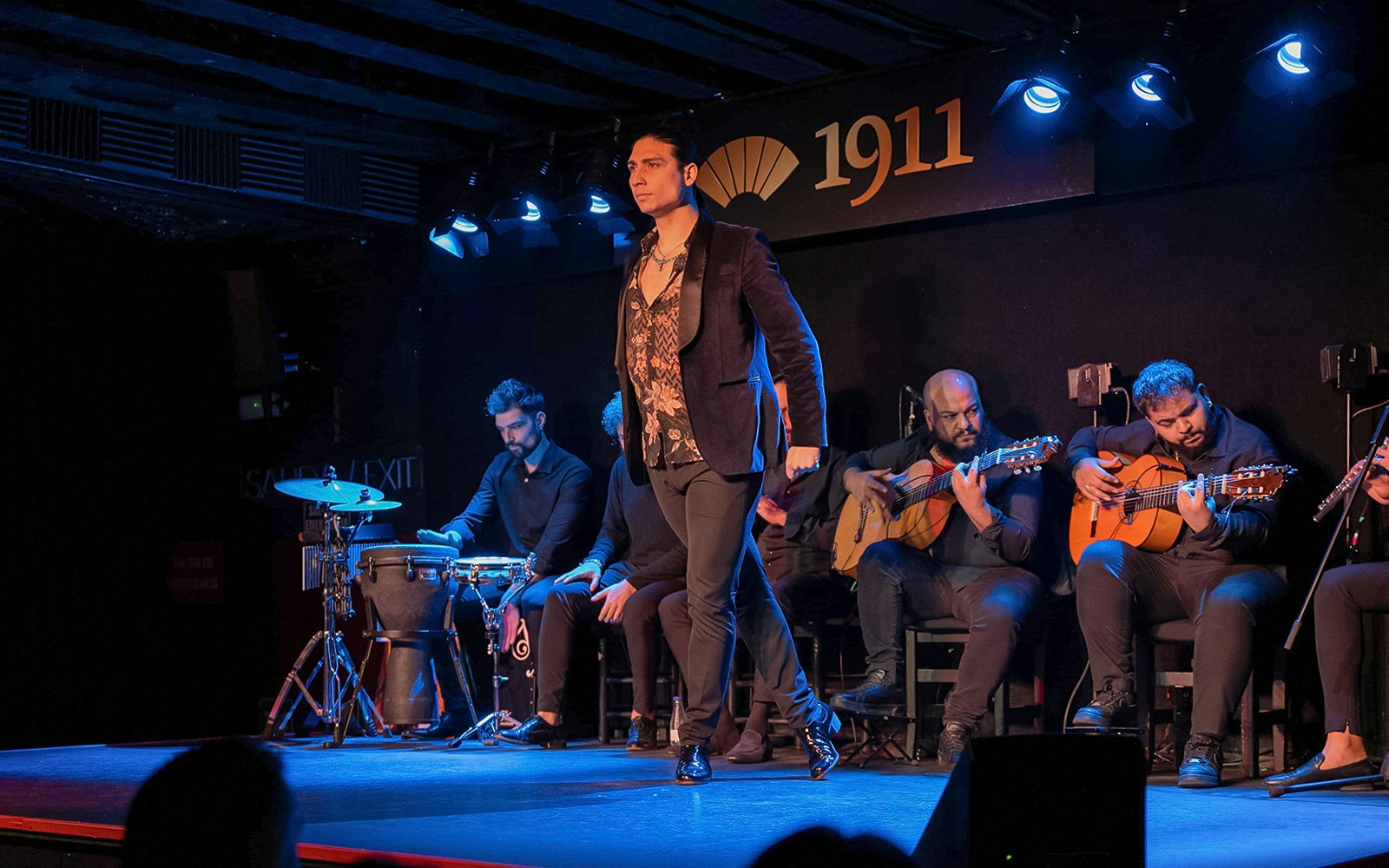
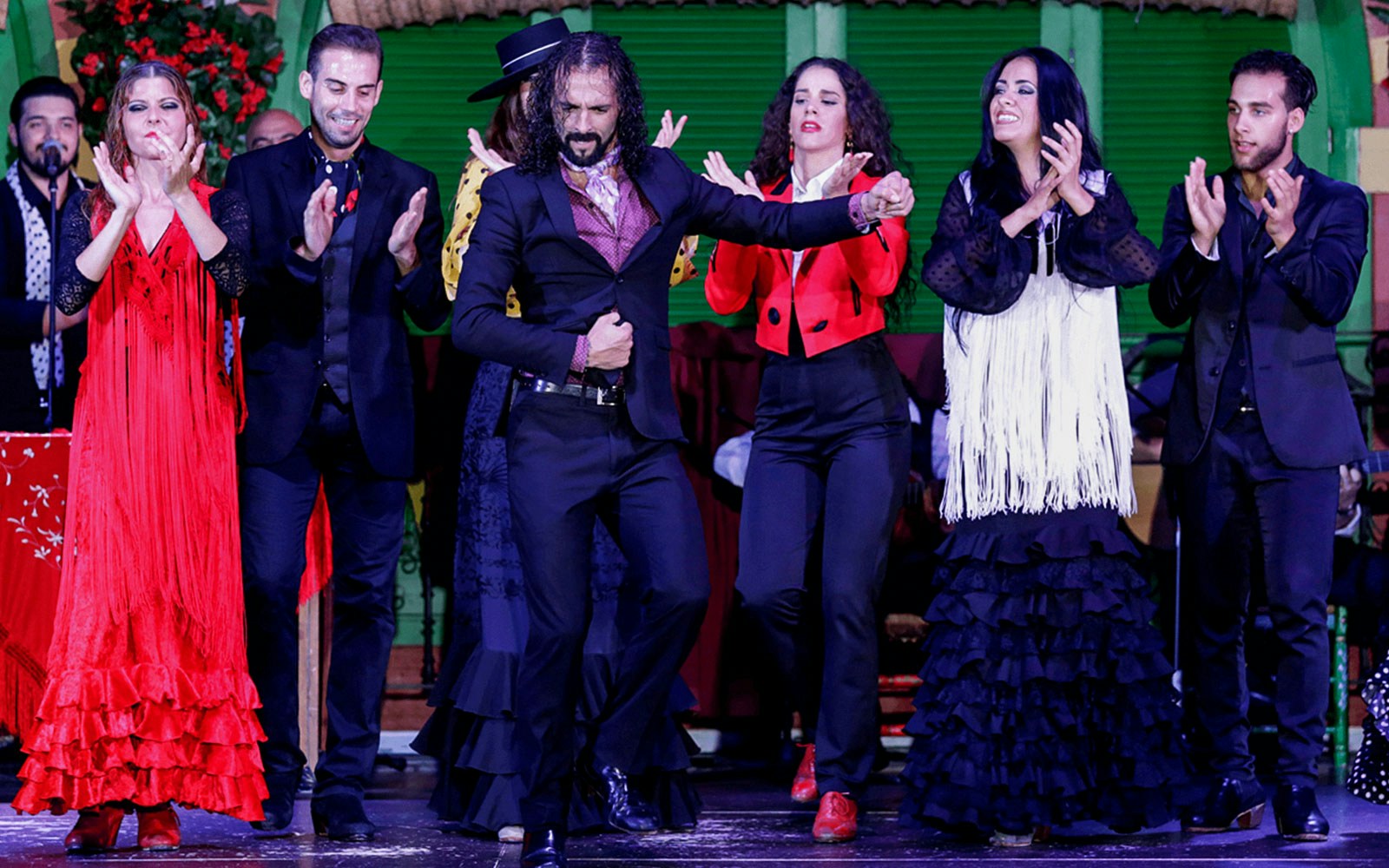
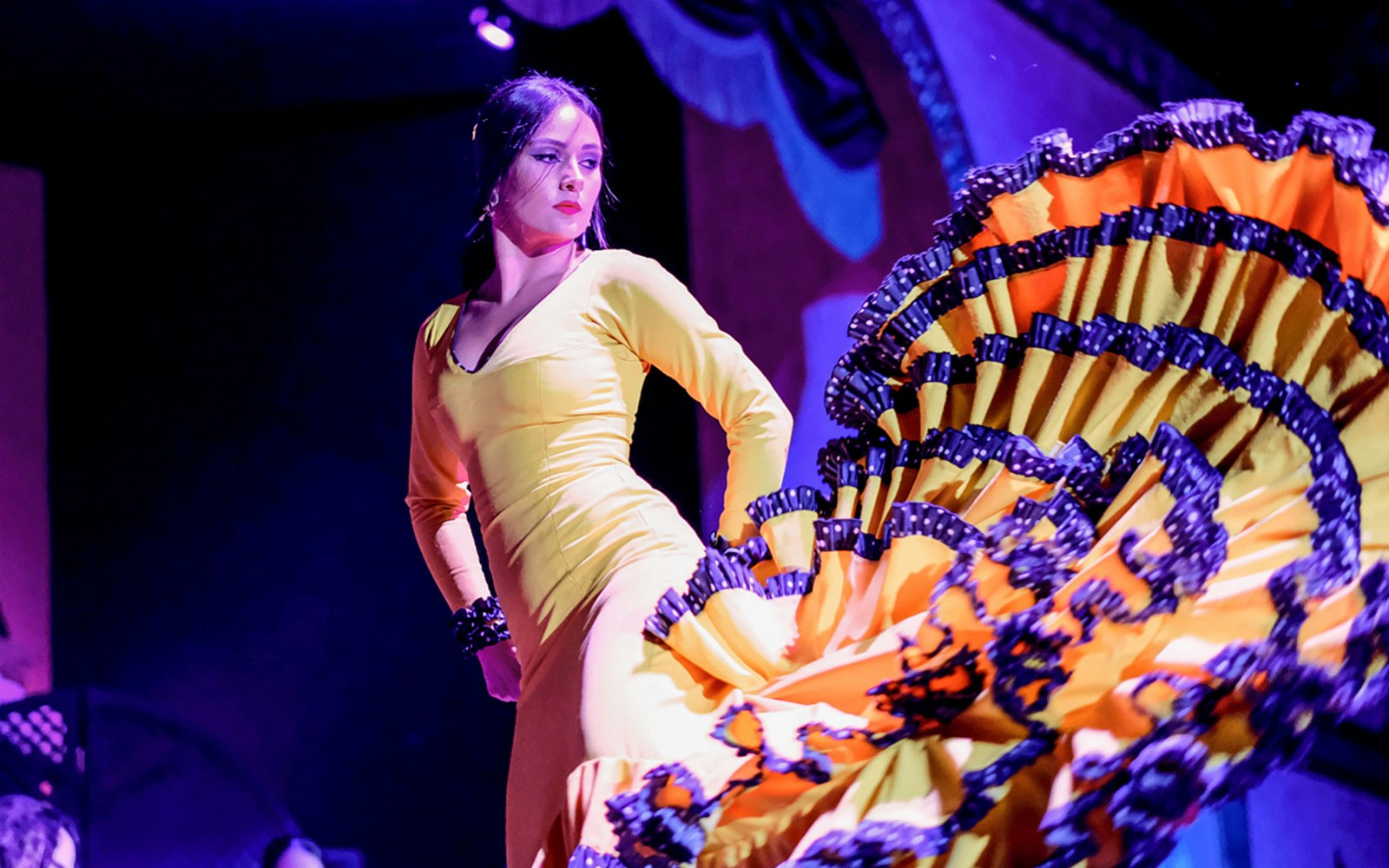
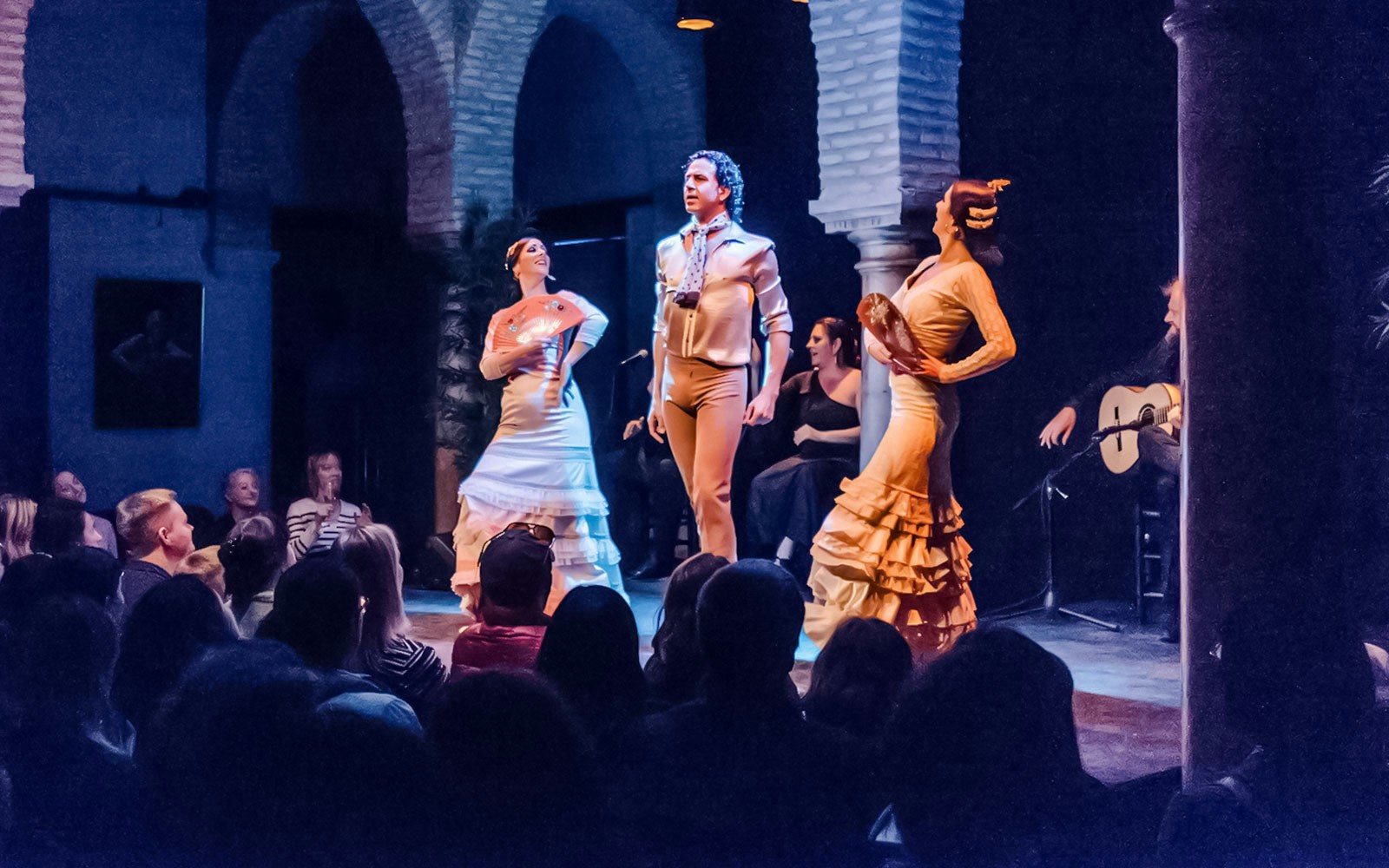
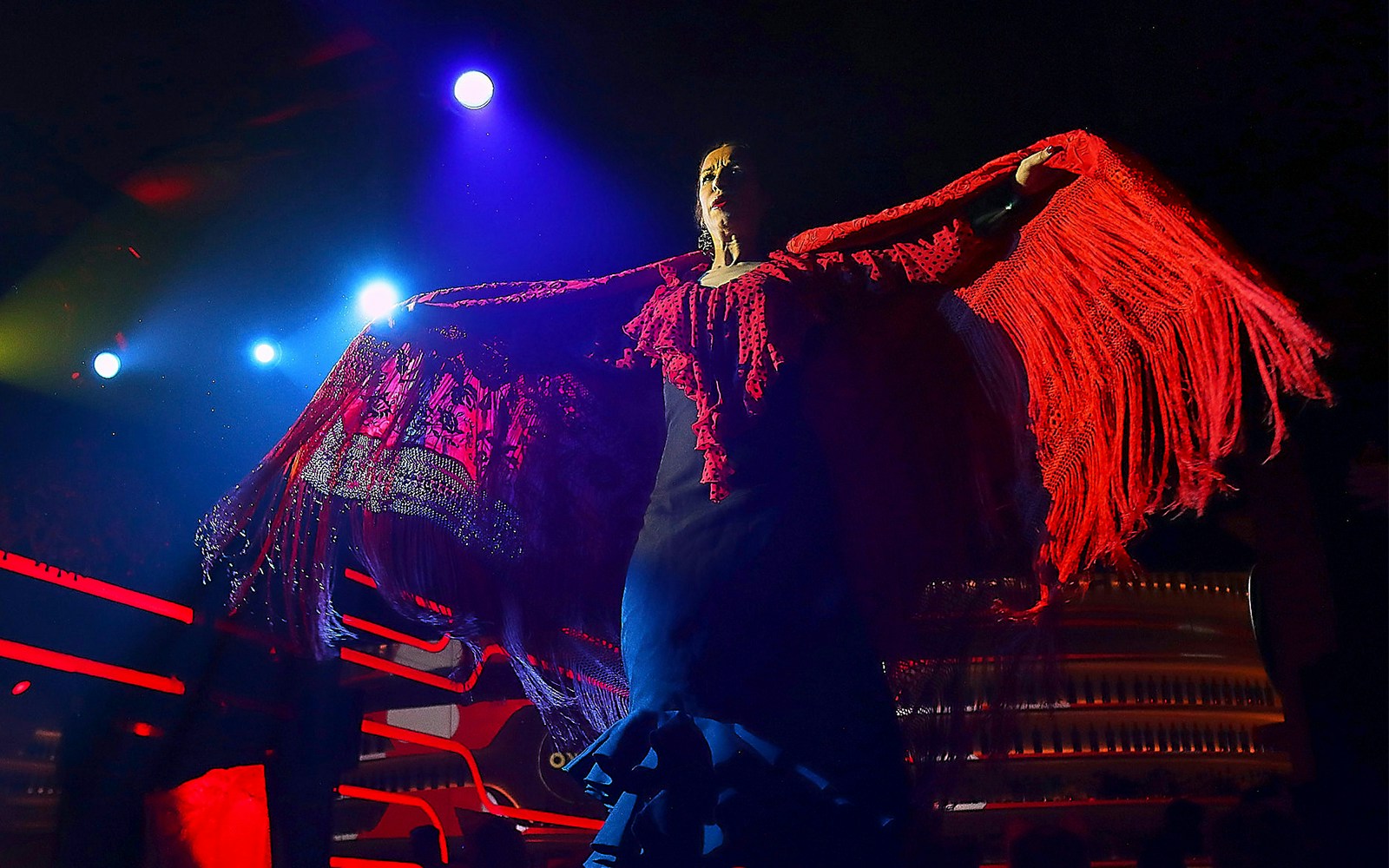
Seville’s flamenco identity grew from centuries of cultural exchange between Romani families, Andalusi heritage, Castilian influences and Afro Spanish rhythms. In neighbourhoods like Triana and Macarena, these communities created a shared musical language built on emotion, storytelling and improvisation. Their styles blended naturally into early forms of cante jondo, setting the foundation for the cultural significance of flamenco in Seville and shaping the art form that would later spread across Andalusia and beyond.
Seville is home to respected flamenco schools that nurture new talent and preserve traditional technique. Institutions like the Fundación Cristina Heeren de Arte Flamenco and the training programs at the Museo del Baile Flamenco offer structured classes in dance, guitar and singing. These centres attract learners from around the world and help ensure that the artistic foundations of flamenco continue to grow in skilled and passionate hands.
Across the city, a network of tablaos, theatres and cultural spaces keeps flamenco present in daily life. Intimate stages host performances every night, while larger venues showcase full length productions for broader audiences. This consistent activity creates a living art scene where locals and visitors experience flamenco as something authentic and deeply rooted in Seville rather than a purely touristic display. The city’s stages play an essential role in keeping its creative traditions thriving.
Seville’s calendar includes beloved flamenco festivals that unite artists and audiences. The Bienal de Flamenco, held every two years, stands out as one of the most significant events in the flamenco world with performances that highlight both classical artistry and contemporary expression. Throughout the year, smaller community celebrations and peña gatherings bring people together through music and dance. These events strengthen Seville’s cultural identity and affirm flamenco as a shared heritage felt across generations.
Flamenco in Seville is inseparable from its barrios, each with its own artistic personality. Triana gave rise to celebrated Romani families whose compás and footwork shaped early baile styles. La Alameda became a meeting ground for singers and guitarists who defined cante jondo. Los Pajaritos and Cerro del Águila nurtured new generations of artists who still fuel the city's creative rhythm.
Unlike other cities, Seville’s flamenco is deeply intertwined with collective rituals. Structures from Semana Santa shape expressive intensity, especially in saetas and dramatic cante styles. Romani wedding traditions contribute rhythmic nuances to bulerías and tangos. Even Feria de Abril influences the city’s flamenco culture, reinforcing baile as a form of shared celebration rather than staged performance.
Seville is the training ground for many of the most respected artists in Spain, and its institutions protect this legacy. Schools like Fundación Cristina Heeren, Taller Flamenco and Matilde Coral’s academy produce dancers who shape modern styles while preserving strict technique. The Bienal de Flamenco acts as a global benchmark, debuting new works that influence the direction of flamenco worldwide.
Seville blends deep-rooted local traditions, historic neighbourhoods like Triana, and major festivals such as the Bienal de Flamenco and Feria de Abril, giving it a unique cultural atmosphere.
Yes. You will hear flamenco in neighbourhood gatherings, family patios, peñas, and even during Easter processions when saetas are sung from balconies.
Authentic performances are found in tablaos, peñas, and small cultural venues. Triana, Santa Cruz, and the centre have some of the best options.
Sevillanas are danced at nearly every celebration in Seville, especially during Feria de Abril. They reflect the city’s festive spirit and social traditions.
Absolutely. It is one of the world’s most respected flamenco festivals and features top artists, premieres, and creative collaborations.
No. You can find informal performances in peñas, community events, and family gatherings, especially in traditional neighbourhoods.